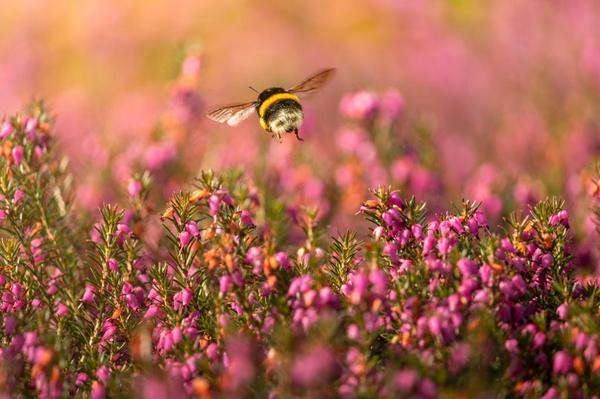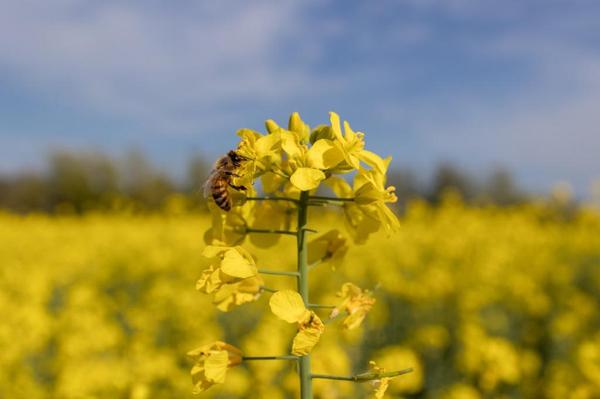
Photo by Manuel Bartsch on Pexels

Gary Hartley

Lonely Pursuit

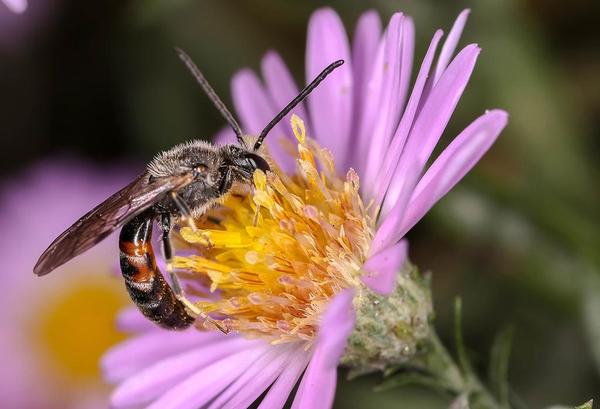
Globally, wild bees have been in steep decline since the 1990s, threatened by habitat loss, pesticide use, climate change, and more. Europe is no exception: An estimated 10 percent of the continent’s wild bee species are at risk of extinction today. That’s double the number that were endangered a decade ago. The European Union aims to reverse this trend in the continent by 2030 with its Pollinators Initiative. Adopted in 2018, the effort is focused on improving scientific knowledge about the EU’...

What if We Pesticide-Proofed the Bees?

The U.S. honeybee season of 2024-’25 was one of doom, with the highest colony losses ever recorded and honey production plummeting. The last season was slightly better, but that’s still comparing bad with bad. Among other factors, pesticide exposure looms large, with USDA research from earlier this year finding high levels of agrochemicals in declining colonies in Florida and California, with much of the risk coming from neonicotinoids. But if pesticides ingested by bees whilst foraging are a pr...

FRONTIERS Awards Final Fellowships to Ten Science Journalists - FRONTIERS

The FRONTIERS Science Journalism in Residency Programme has selected ten journalists for its fourth and final round of fellowships. This closing call, open to journalists at all career stages, drew sixty competitive applications from across the globe.


The selected fellows will carry out their residencies in eight European countries — Austria, Belgium, Germany, the Netherlands, Portugal, Spain, Switzerland, and the United Kingdom — where they will pursue in-depth reporting on frontier science...

Can You Fake an Ancient Tree? An Unusual Conservation Trick Offers Hope for Endangered Beetles

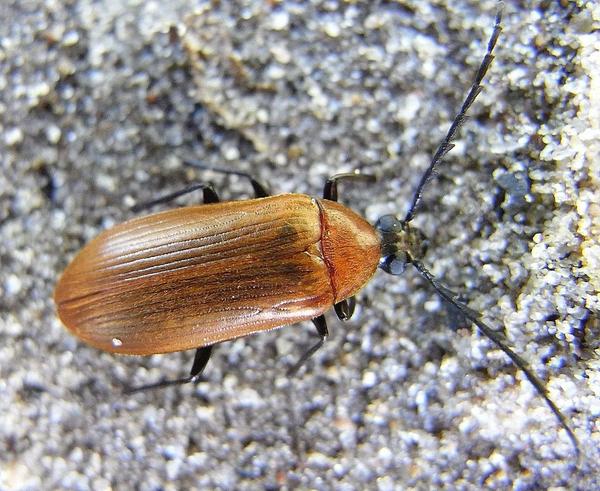
It’s well publicised that insects are struggling, but saproxylic beetles — those that are entirely dependent on dead or dying wood to survive — are having a harder time than most.The large old trees they rely on are in decline globally, putting not just the beetles but scores of other species that depend on the microhabitats created by years of wear and tear, such as cracks and cavities.Scientists have been exploring the idea that, given most of the oldest trees are gone and younger ones don’t a...

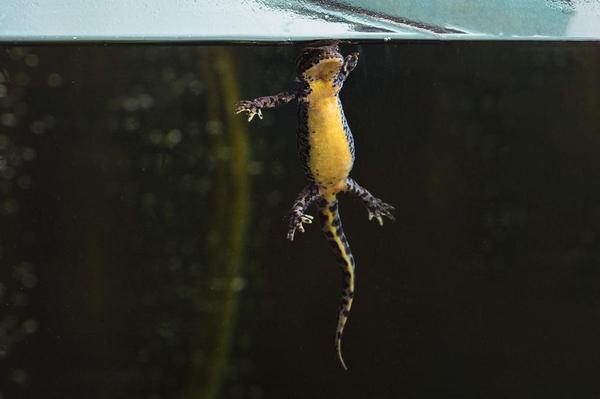
How to Save An Animal From Extinction: the Story of the Bosnian Newt

Talk to almost any conservationist in Bosnia and Herzegovina for more than a few minutes and the Bosnian alpine newt (Ichthyosaura alpestris reiseri) is likely to come up.In this case, I was having a coffee with Adi Habul, who coordinates data gathering for the Environmental Fund of the Federation of BiH, one of the two main political entities in this complex country. Official by day, talented artist by night; he illustrated a UN-backed comic on the famous newt as part of moves to educate young...

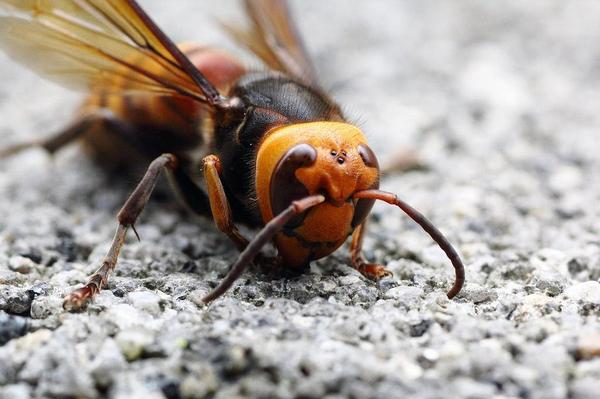
A Blast of Charcoal Dust Could Stop Invasive Asian Hornets in Their Tracks

The yellow-legged hornet (Vespa velutina,) has proved a tricky invader to stop since it hit Europe in 2004 — but new research suggests that firing charcoal dust into its nests might be the sustainable solution hornet hunters have been crying out for.The voracious predator, also known as the Asian hornet, possibly arrived in Chinese pottery shipped to France. Following this innocuous start, it has gone from high-risk arrival to beekeeper’s nightmare in just over two decades. Europe isn’t the only...

When a New Species Lands on Your Windowsill

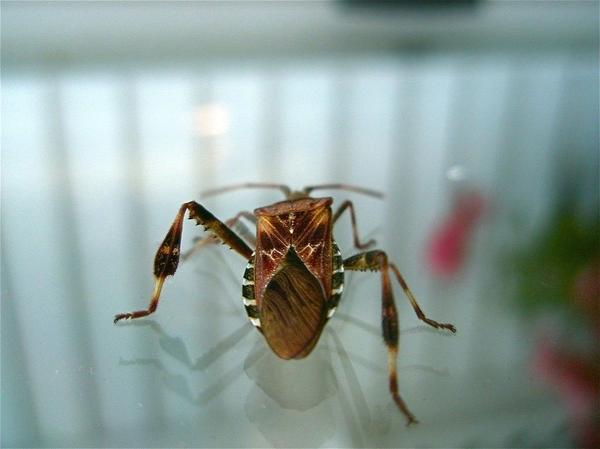
It ’s so easy to add new species to Bosnia and Herzegovina’s insect record that Dejan Kulijer, the entomology curator from the country’s National Museum, sometimes doesn’t even have to leave his desk.He ticked off national firsts for the harlequin ladybird (Harmonia axyridis) and the western conifer seed bug (Leptoglossus occidentalis) after they landed on his office window ledge. The country’s first record of the rare hoverfly Callicera spinolae wasn’t much more difficult: he clocked it while c...

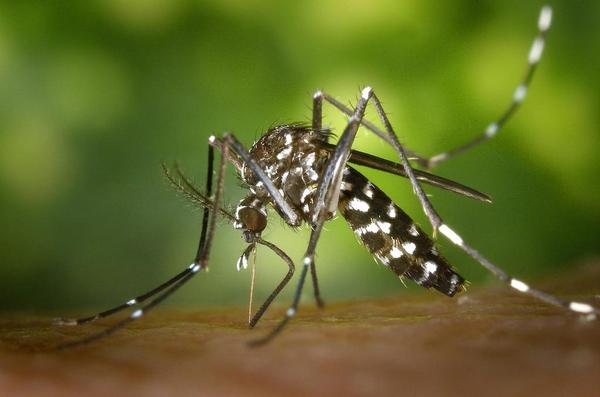
Mosquitoes Have Personalities, Too

Heard the one about the cowardly mosquito? Probably not. Our infamous bloodsucking insect neighbours are not known for being reticent about coming forward.What about the mosquito explorer? Now that’s more plausible, given their tendency to get where we are, despite our best efforts to keep them away.There’s a point to the questioning character of this intro: Italian researchers have just worked out that larvae of the Asian tiger mosquito (Aedes albopictus) have distinct personalities.Insect pers...

In the Land of the Eyeless Dragons

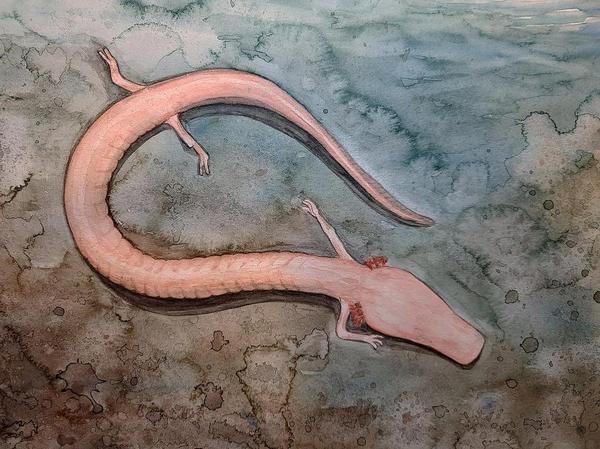
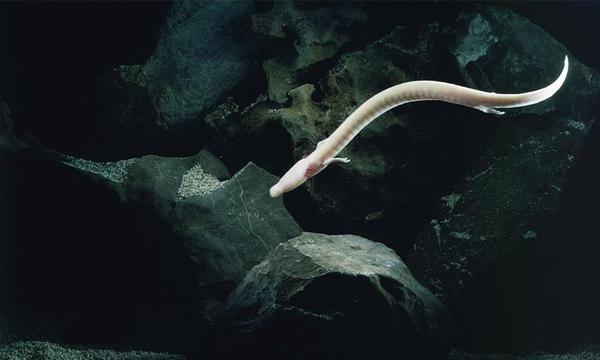
To get to know the olm, Europe’s only exclusively cave-dwelling vertebrate, you need to meet it on its terms. Extremely particular terms. The pale, blind salamander (Proteus anguinus), once thought to be the offspring of dragons, can live for up to a century.* It only lives in deep cave systems, hundreds of feet underground, where light doesn’t reach, in countries across the north Mediterranean and the Balkans. It is long and thin, growing up to about a foot in length, with stunted limbs and a s...

“Our silver bullet”: Experts are racing to save these native crayfish from invasive species that bring a fungal ‘plague’ | Discover Wildlife

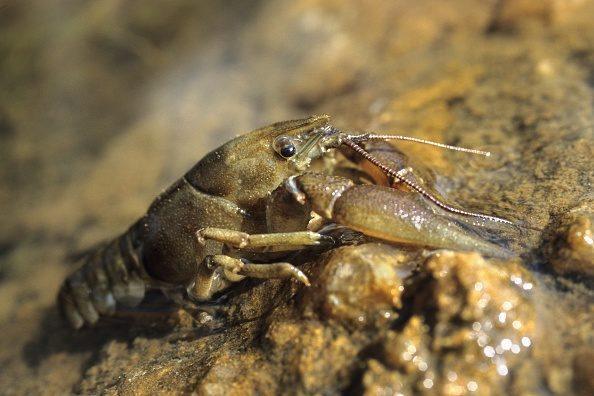
A shipping container within earshot of roaring lions, with a nearby rollercoaster twisting through the sky, is perhaps not the location you’d expect for a crustacean conservation project. But then these are not normal times for the white-clawed crayfish (Austropotamobius pallipes), the UK’s only native crayfish species.
It’s an invertebrate under severe pressure, with its plight very much a tale of the age. There’s the familiar story of a threat to native wildlife from an invasive species, but a...

Abandoned lynx, roaming wild boar, ‘beaver bombing’ – has rewilding got out of hand?

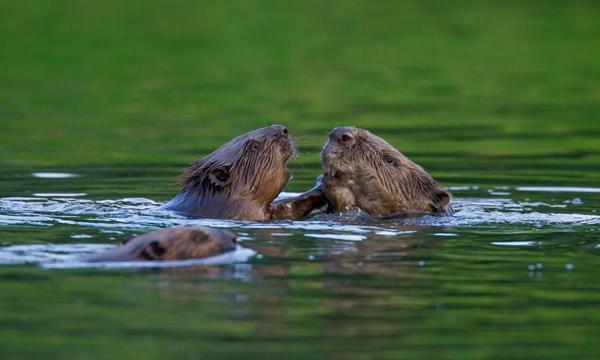
Visions of habitats teeming with nature are powerful, particularly so in an age of extinction. Rewilding, which offers the promise of such transformations, was once something most would have imagined happening far away, carried out by people unlike them, but times are changing. The wilderness is getting closer to home and more personal.In the past few months, there have been two suspected lynx releases and one of feral pigs in a small area of the Cairngorms, along with reports of a rise in "beav...

Genetically modified toxic semen could suppress troublesome insects | New Scientist

Insects that spread disease and damage crops could be controlled by inserting poisons from spider and sea anemone venom into males’ reproductive systems, killing females they mate with.
Samuel Beach and Maciej Maselko at Macquarie University in Sydney, Australia, have developed what they call the “toxic male technique”, where insects are genetically engineered to express the venom proteins of other species in the glands of their reproductive system.

They tested seven different venom proteins i...

‘It absolutely took off’: five UK biodiversity success stories

It is easy to get mired in a sense of hopelessness about the biodiversity crisis, but amid the doom and gloom, there are more than a few reasons to remain upbeat. For one thing, research this year underlined that conservation action works.Thanks to the efforts of dedicated organisations, scientists, engaged private-sector partners and thousands of committed local people, there is an abundance of biodiversity success stories springing up in the UK. While beavers and eagles may hog the headlines,...

Wild bees have found a surprising place to nest in cities | New Scientist

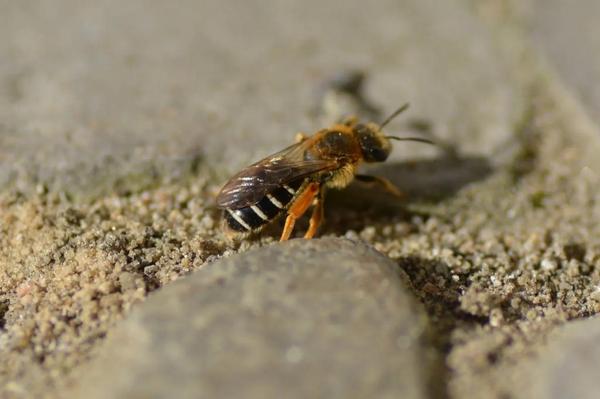
Urban pavements can prove unlikely havens for wild bees and other insects, a survey on the streets of Berlin suggests.
Sophie Lokatis at the Free University of Berlin and her colleagues explored 200-metre-long sections of pavement at 12 locations in the German city. They recorded insect nest locations and collected individuals found at the entrance to nests, crawling on the pavement or flying within a metre of the ground. They also analysed soil from nests using DNA sequencing techniques.The tea...

Insects thrive on solar farms planted with native flowers | New Scientist

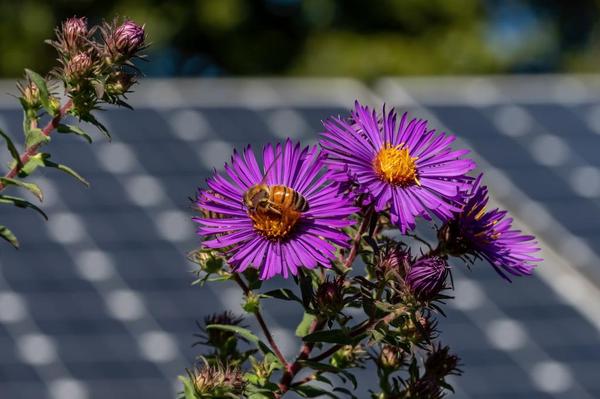
Sowing grasses and wildflowers among solar panels can bring big increases in bees and aid crop pollination in nearby fields, a four-year study in the US suggests.
The expansion of solar energy is sometimes seen as a threat to the environment because of the large amounts of land required, but solar developments can be designed to restore habitat and bring biodiversity gains.

Leroy Walston at Argonne National Laboratory in Illinois and his colleagues monitored the impact on insects after two sol...

Cutting pesticide use on farms doubles abundance of wild pollinators | New Scientist

Both commercial bees and wild pollinators do much better on farms that use synthetic pesticides sparingly, according to a three-year study on US farmland.
Jacob Pecenka at Purdue University, Indiana, and his colleagues placed colonies of commercial honey bees (Apis mellifera) and bumblebees (Bombus impatiens) in fields of watermelon surrounded by corn, and collected pollinators visiting watermelon flowers.
At each site, they compared two fields with different pest management regimes. The convent...

Male flies are better at mating after fighting off a robotic rival | New Scientist

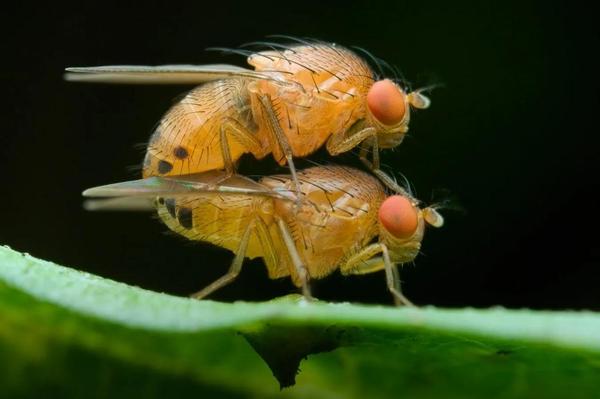
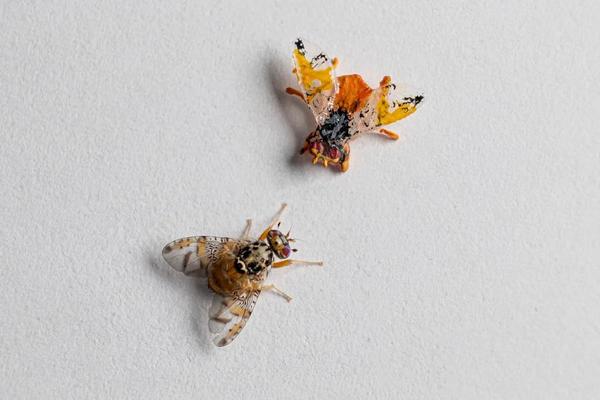
Male fruit flies reared in a lab are more successful at mating after an encounter with a robotic dummy designed to look like a rival male. The finding could boost efforts to control populations of the flies, which are a major crop pest.
The Mediterranean fruit fly (Ceratitis capitata) is one of the most destructive fruit pests in the world, found on every continent except Antarctica. There have been various attempts to rein it in by releasing large numbers of sterile males reared in labs. The ai...
Photo by Frank Cone on Pexels

Spotlight on avian influenza vaccination as testing begins in Europe

In global outbreaks of highly pathogenic avian influenza (HPAI) to date, vaccination has never been a tool actively considered by the global poultry industry, which has feared that vaccination would mask the spread of disease and subsequent trade issues. Things may be about to change.
The severity of recent outbreaks, rising egg prices and fears of a spillover into humans, as well as improvements in vaccine technology, are prompting a shift in mindset.
“In the old days, vaccination was not a...

Why the climate crisis is making our insects run for the hills

In the Alps and Apennines of southern Europe, nearly all the longhorn beetles are moving uphill, and way up at the peaks, the isolation of a brown butterfly with orange-tipped wings is pushing it towards extinction. This is a snapshot of a global trend. With temperatures rising and pressure on biodiversity growing, insects vital to our ecosystems are not only moving north and south, but up.Research shows many animals are making similar moves, but insects’ high levels of mobility and short genera...

Protected areas in Britain fail to stop loss of insects and spiders | New Scientist

Protected areas in Britain are losing invertebrate species at the same rate as areas with no protection – prompting a call for more effective management of land assigned for conservation.
Rob Cooke at the UK Centre for Ecology & Hydrology and his colleagues looked at data from invertebrate monitoring carried out between 1990 and 2018 to work out how widespread species are within protected and unprotected zones. The study included 1238 species of ants, bees, hoverflies, ladybirds, spiders and was...

Shortage of pollinators could be killing 427,000 people a year | New Scientist

Insufficient pollination of crops poses a human health risk equivalent to prominent health conditions, threatening the lives of hundreds of thousands of people worldwide.
Three-quarters of agricultural crop varieties are pollinated by animals, such as insects, birds and bats. Many populations of key pollinators like bees are in decline and their loss results in lower production of fruit and vegetables.
Matthew Smith at Harvard University and his colleagues used data on pollinators, 63 pollinator...

Honeybees are living half as long as they were 50 years ago | New Scientist

Honeybees kept under laboratory conditions in the US only live half as long as they did in the 1970s, suggesting that genetics could be contributing to colony losses, and not just environmental factors such as pesticides and sources of food.
Five decades ago, the median lifespan for a worker western honeybee (Apis mellifera) that spent its adult life in a controlled environment was 34.3 days. Now, the median is 17.7 days, according to research by Anthony Nearman and Dennis vanEngelsdorp at the U...

Glyphosate weedkiller impairs learning and memory in bumblebees | New Scientist

Bumblebees exposed to the world’s most popular type of weedkiller found it harder to learn and remember colours linked to rewards – which could undermine their ability to find food for the colony.
Marjo Helander at the University of Turku in Finland and her colleagues investigated how glyphosate, in this case in the herbicide Roundup Gold, affected buff-tailed bumblebees (Bombus terrestris) in colour-based learning and memory tests.
Over five rounds, bees chose between different-coloured artific...
Load More